Being Seen / Checklist
A night-riding checklist that fits on one page
Front, rear, side, rider, routine. Five short lists to run through before riding after dark, from someone who has forgotten every one of them at least once.
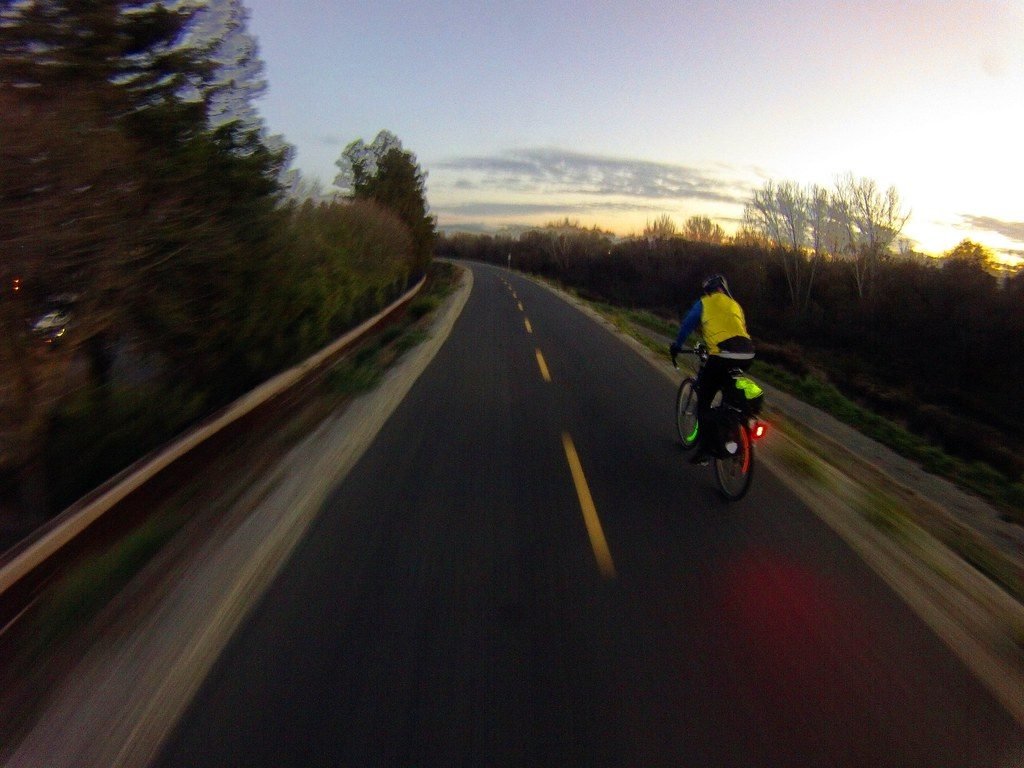
Most of what keeps a bicycle visible at night is simple, and most of it gets forgotten at some point. This checklist pulls together the advice from the rest of this section. Print it, or just read it once and see how many items you already check off.
Front
- A white front light, switched on from dusk, not from full dark.
- Aimed at the road several yards ahead, not into oncoming eyes. See choosing a headlight.
- Charged, with enough run time on the mode you use for the whole trip.
Rear
- A red rear light, plus a red rear reflector.
- Not hidden by a bag, coat or fender. Check from behind.
- Ideally two: one steady, one flashing. See rear lights.
Side
- Wheel reflectors still fitted, or reflective tire sidewalls.
- Pedal reflectors, or reflective ankle bands.
- Optional: a spoke or hub light on each wheel. See wheel lights.
Rider
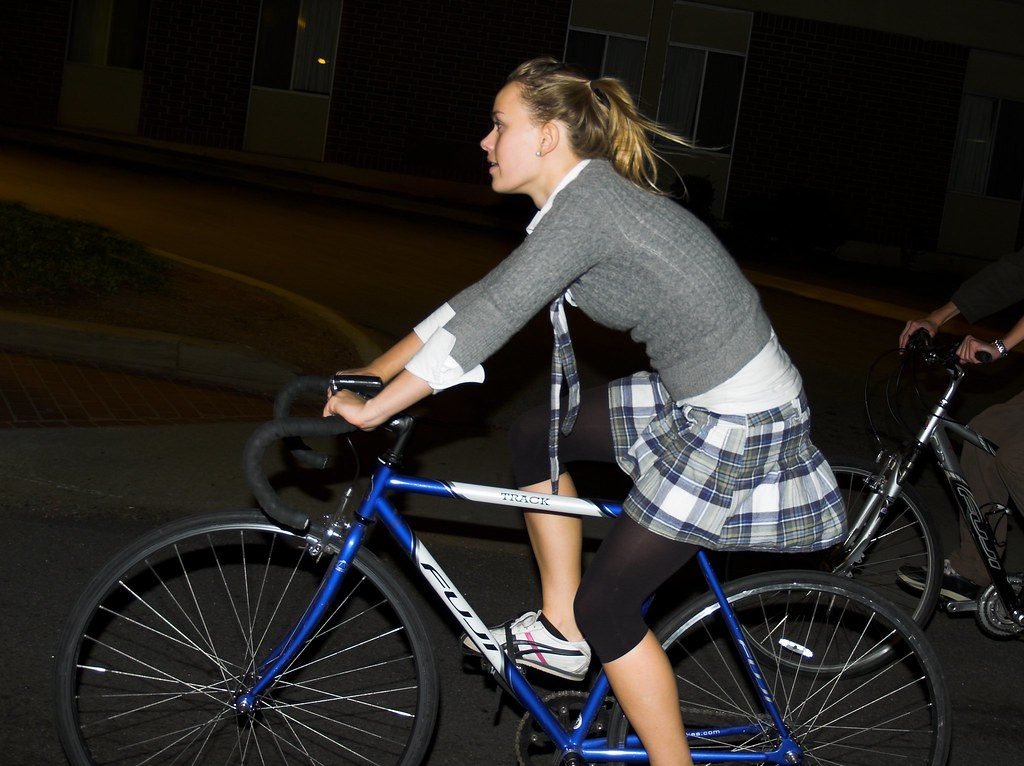
- Something reflective that moves: ankle bands, gloves, shoe heels.
- A light-colored or reflective layer if you ride on unlit roads.
- Clear glasses rather than tinted ones after dark.
Routine
- Switch both lights on before setting off and check them.
- Carry a spare rear light in your bag.
- In rain, ride a little further from the curb and assume you are less visible than you feel. See wet nights.
- At intersections, make eye contact with drivers waiting to turn. If you cannot see their eyes, assume they cannot see you.