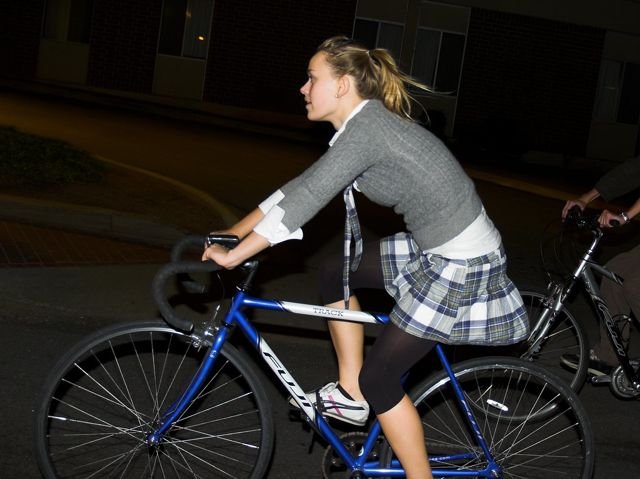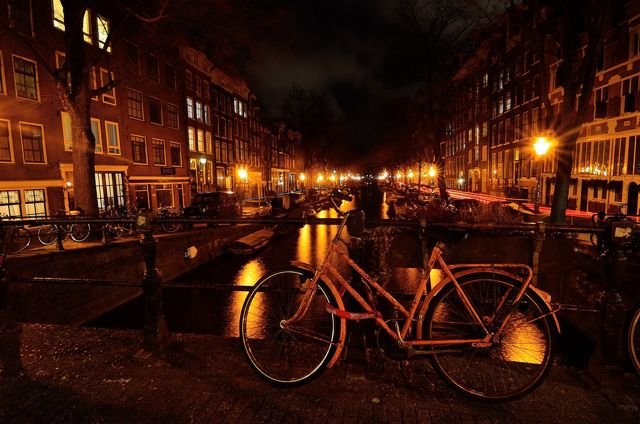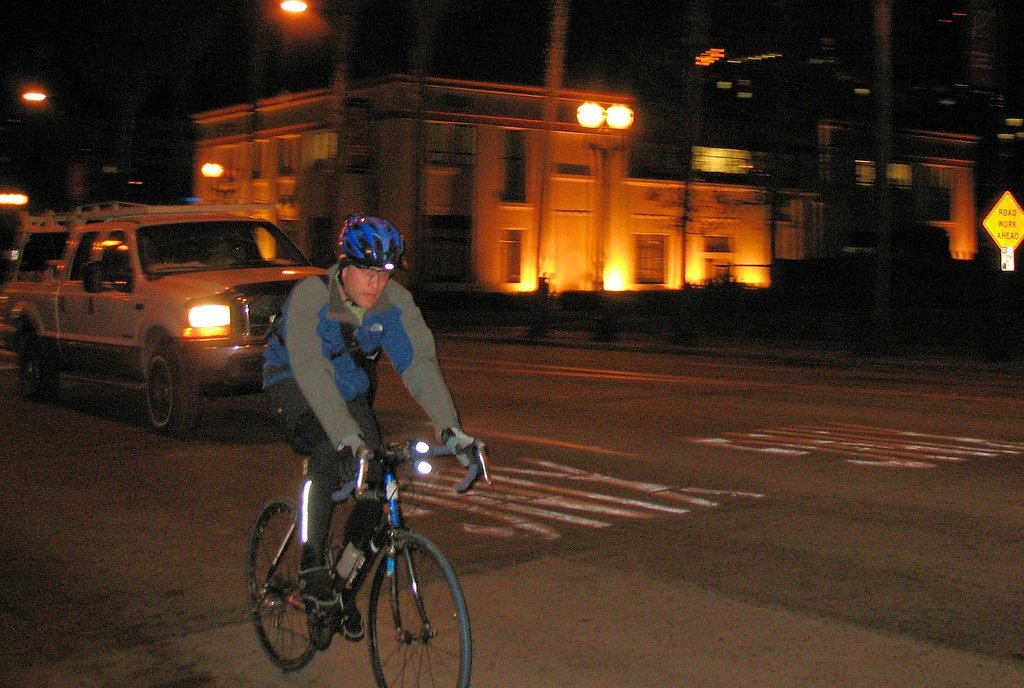
Side visibility
The side of the bike nobody lights
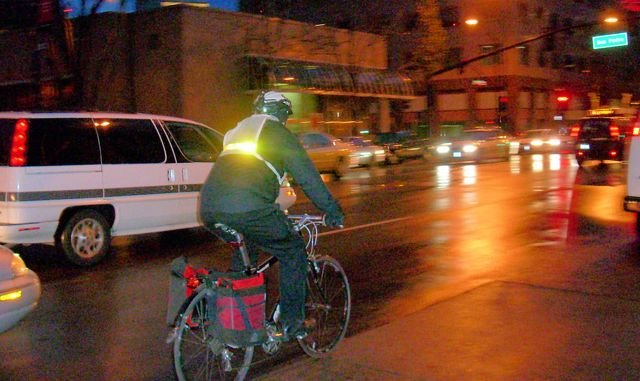
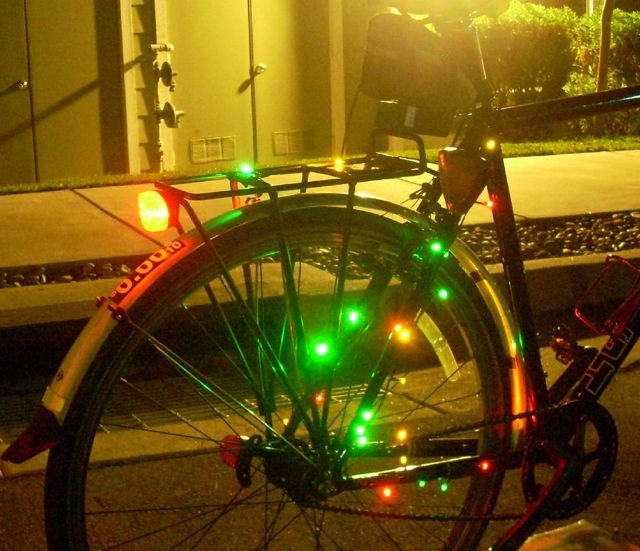
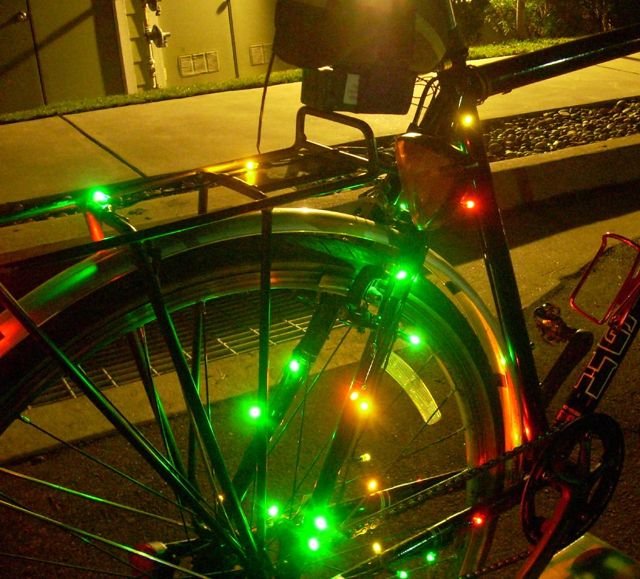
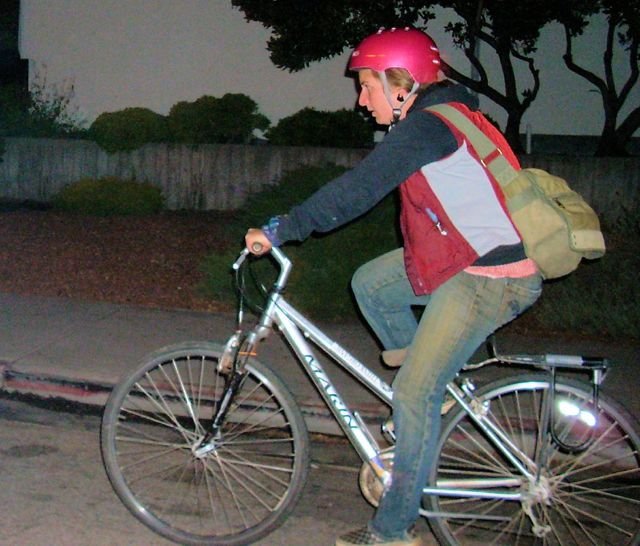
Headlights and tail lights are built for traffic in line with you. At intersections, driveways and crossings, drivers see a bicycle side-on, and that is where most bikes are almost invisible.
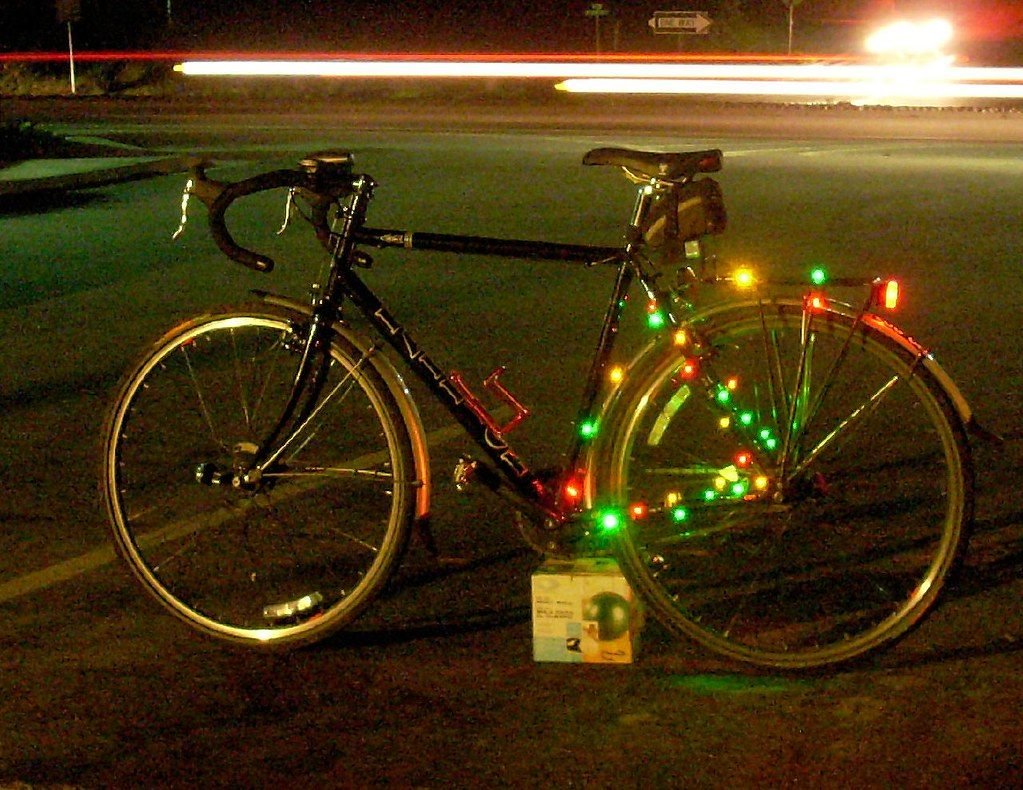
Front page
Hokey Spokes began in 2000 as a light that drew pictures inside a spinning wheel. The product is long gone; the problem it was built for is not. These pages cover how to make a bicycle visible from every angle, and keep a record of the odd, clever light that once lived at this address.
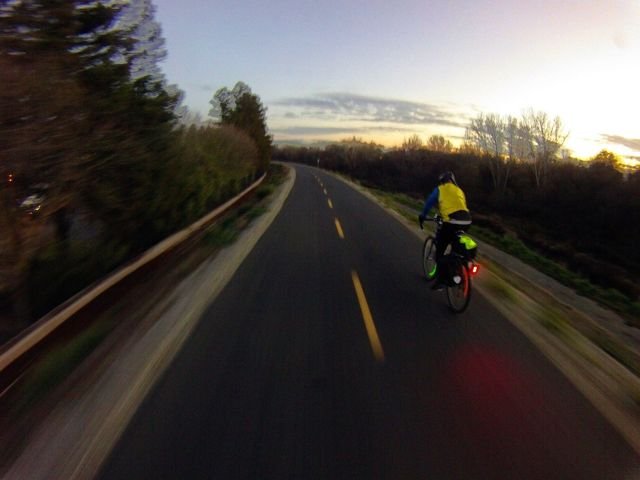
Start with side visibilityPhoto: Richard Masoner / Cyclelicious / Flickr, CC BY-SA 2.0
Lights, reflectors and the side of the bike nobody thinks about.
Side visibility
Headlights and tail lights are built for traffic in line with you. At intersections, driveways and crossings, drivers see a bicycle side-on, and that is where most bikes are almost invisible.
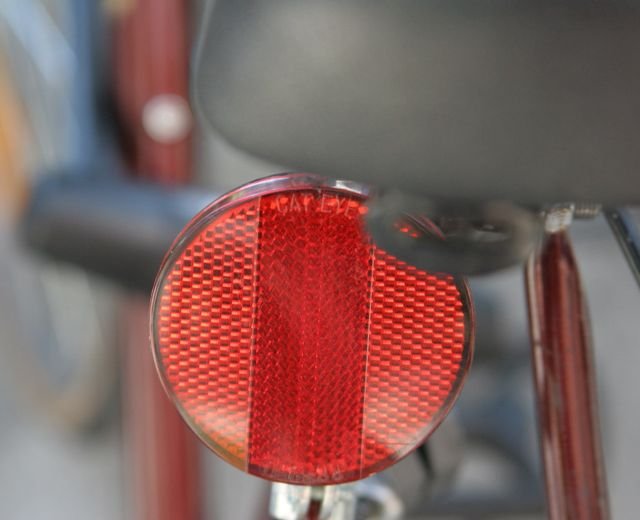
Reflectors
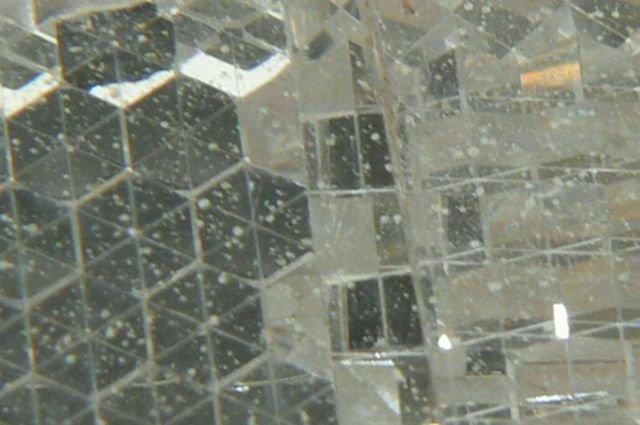
Every new bicycle sold in the US leaves the shop with a full set of reflectors. Many are gone within a month. Here is what each one does, what the rules require, and which ones are worth keeping.
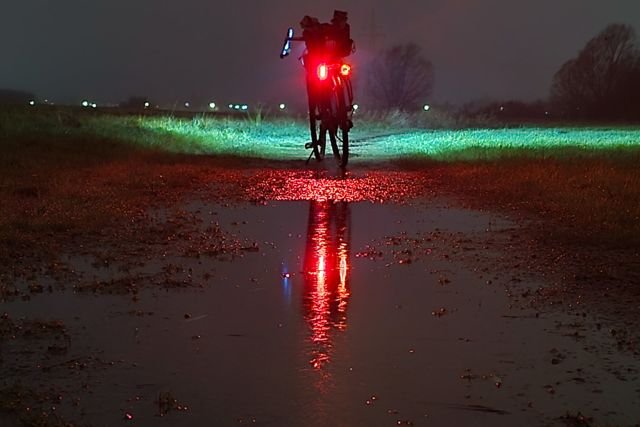
Rear lights
Flashing modes are easier to notice. Steady modes are easier to judge. The answer for most riders is to use one of each, and to mount them where a driver will actually look.
The Archive
Transparent blades, three AA batteries each, an infrared link between them, and a microprocessor that switched LEDs on and off fast enough to paint flowers and words across the wheel. Here is what Hokey Spokes was, how it worked and what happened to it.